

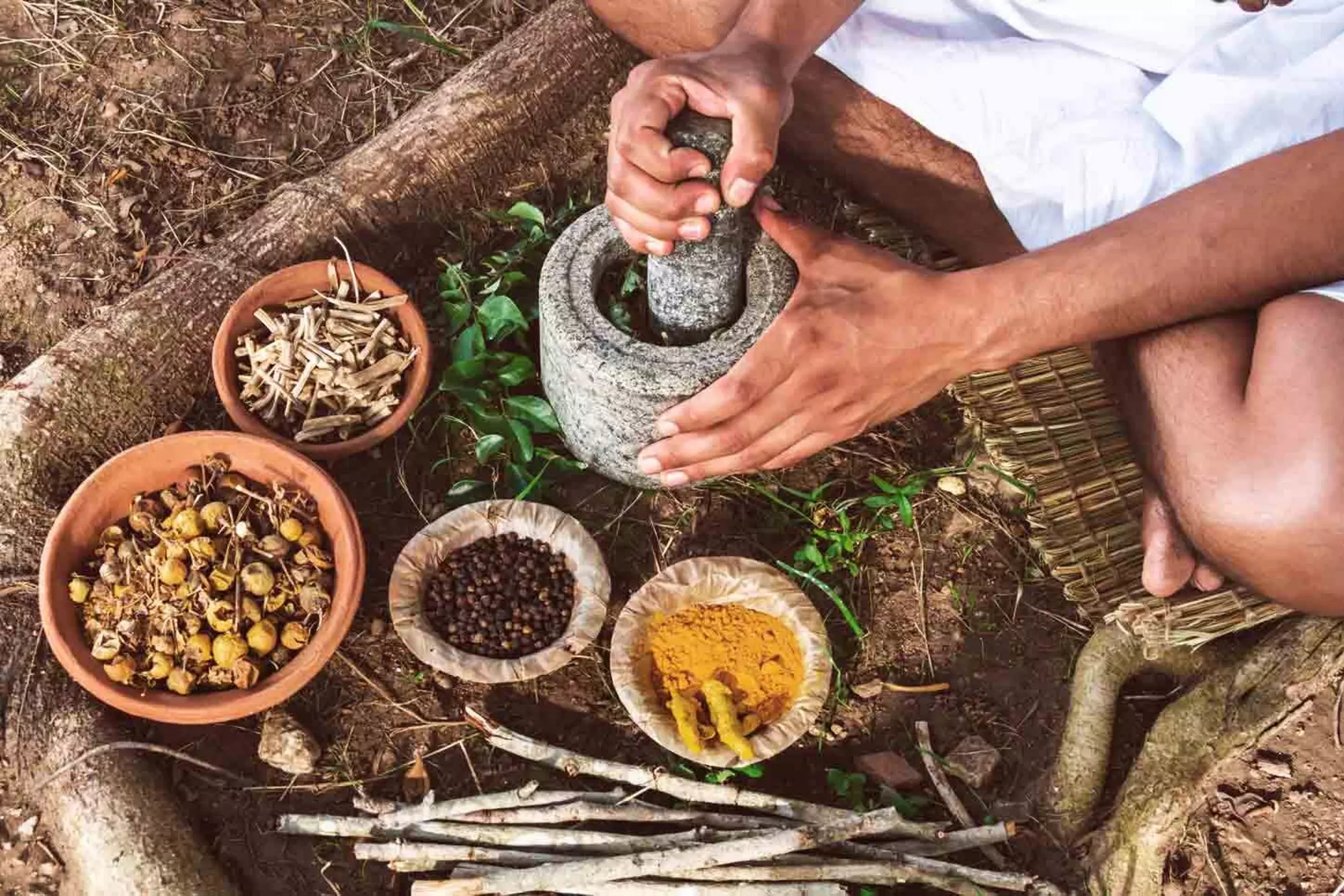
Ayurveda originated in India nearly 3,000 years ago and is recognized by the World Health Organization (WHO) as a traditional system of medicine.
What Is Ayurveda?
Ayurveda is considered one of the world’s oldest healing systems. The term “Ayurveda” means “the science of life.” Developed in India thousands of years ago, it focuses on maintaining balance between the body, mind, and spirit to achieve overall wellness.
Unlike modern medicine, which often targets symptoms and diseases directly, Ayurvedic medicine aims to strengthen the body’s natural defense system. The philosophy behind Ayurveda is that when the body, mind, and emotions remain balanced, a person stays healthy. When this balance is disturbed, diseases may develop.
Ayurveda uses a holistic approach that includes herbal remedies, yoga, physical exercises, meditation, detoxification therapies, and dietary modifications to prevent and manage health conditions.
Core Principles of Ayurveda
According to Ayurveda, the human body is governed by three major components known as Dosha, Dhatu, and Mala.
Doshas
The three doshas are Vata, Pitta, and Kapha. These energies are formed from the five natural elements: earth, water, fire, air, and space. Each dosha controls specific physical and psychological functions.
Vata Dosha
- Represents air and space
- Controls breathing, heartbeat, muscle movement, and joint function
- Influences nervous system activities such as fear, anxiety, and pain perception
Pitta Dosha
- Represents fire and water
- Regulates metabolism, digestion, body temperature, skin complexion, and intelligence
- Influences emotions such as anger, jealousy, and irritation
Kapha Dosha
- Represents earth and water
- Supports body structure, strength, lubrication, and immunity
- Associated with calmness, forgiveness, love, and emotional stability
Dhatus (Body Tissues)
Ayurveda explains that the body is made up of seven essential tissues called Sapta Dhatus. Each dhatu performs a specific role in maintaining health.
1. Rasa Dhatu (Plasma)
Responsible for transporting nutrients, hormones, and fluids throughout the body.
2. Rakta Dhatu (Blood)
Carries oxygen and life energy to all body tissues.
3. Mamsa Dhatu (Muscles)
Supports muscle development and protects internal organs.
4. Meda Dhatu (Fat Tissue)
Stores energy, lubricates joints, and maintains body strength.
5. Asthi Dhatu (Bones)
Forms bones and cartilage, giving structure and support to the body.
6. Majja Dhatu (Bone Marrow and Nervous System)
Nourishes the nervous system and supports brain and spinal cord functions.
7. Shukra Dhatu (Reproductive Tissue)
Maintains reproductive health and vitality in both men and women.All seven dhatus are interconnected. An imbalance in one tissue may affect the others and eventually disturb overall health.
Waste Products
In Ayurveda, waste elimination is considered essential for maintaining balance in the body. Stool refers to the body’s waste products.
Main Types of Stool
Dietary Stool
Includes stool, urine, and sweat.
Metal Stool
Includes secretions from the eyes, nose, and ears, along with hair, nails, carbon dioxide, and other metabolic waste.Proper elimination of waste helps maintain healthy body functions. Irregular elimination may lead to toxin accumulation and disease.
How Diseases Are Diagnosed in Ayurveda
Ayurvedic diagnosis differs greatly from modern medical diagnosis. Instead of focusing only on symptoms, Ayurveda evaluates the overall balance of the body and mind.
An Ayurvedic practitioner examines:
- Physical strength
- Mental condition
- Digestion
- Immunity
- Lifestyle habits
- Dietary patterns
- Energy levels
The diagnosis process may include:
- Pulse examination
- Physical touch and observation
- Stool and urine analysis
- Examination of hearing and sensory responses
- Assessment of body constitution and tissue quality
According to Ayurveda, diseases develop when the doshas or body tissues become imbalanced. Treatment is designed to restore harmony within the body.
Ayurvedic Treatments
Ayurvedic treatment focuses on improving the body’s natural healing power instead of only suppressing symptoms. The goal is to remove the root cause of disease and prevent recurrence.
Herbal Medicine
Ayurvedic herbs are selected based on:
- Taste (Rasa)
- Potency (Virya)
- Post-digestive effect (Vipaka)
Practitioners also consider:
- The origin and quality of herbs
- Their biochemical properties
- Their effects on the body and mind
Panchakarma Therapy
Panchakarma is a detoxification therapy used to eliminate toxins from the body. Different therapies are recommended depending on the individual’s condition.
Common Panchakarma procedures include:
- Nasya (nasal therapy)
- Therapeutic massage
- Steam therapy
- Basti (medicated enema)
- Vamana (therapeutic vomiting)
- Virechana (purgation therapy)
- Blood purification therapies
Shirodhara Therapy
Shirodhara involves pouring warm herbal oils continuously over the forehead. This therapy is commonly used for:
- Stress management
- Anxiety
- Sleep disorders
- Mental relaxation
The type of oil and therapy duration are customized according to the patient’s condition.
Nutrition and Diet in Ayurveda
Diet plays a major role in Ayurvedic healing. Food is selected according to an individual’s body type, health condition, and digestive strength.
Ayurveda emphasizes six tastes:
- Sweet
- Sour
- Salty
- Bitter
- Pungent
- Astringent
Each taste affects the body differently and helps maintain dosha balance.
Lifestyle and Disease Prevention in Ayurveda
Ayurveda strongly emphasizes healthy lifestyle habits to maintain physical and mental wellness.
Modern lifestyle disorders such as obesity, diabetes, and heart disease are often linked to unhealthy eating habits, lack of exercise, and stress.
Pathya and Apathya
Pathya
Foods and habits that nourish the body and support health.
Apathya
Foods and habits that negatively affect health or worsen disease conditions.
Ayurveda recommends personalized dietary guidelines based on a person’s condition and constitution.
Daily Routine
Ayurveda suggests several healthy daily habits:
- Wake up early during Brahma Muhurta (around 4:00–5:30 AM)
- Maintain personal hygiene
- Clean the tongue regularly
- Exercise daily
- Practice meditation
- Perform self-massage with herbal powders or oils
These habits improve circulation, digestion, stamina, immunity, and mental clarity.
Seasonal Routine
Ayurveda also recommends adjusting diet and lifestyle according to seasonal changes.
Spring
Prefer warm, bitter, and light foods while avoiding excessive sweets and salty foods.
Summer
Consume cooling, hydrating, and nourishing foods such as rice, coconut water, and ghee.
Rainy Season
Eat warm, easily digestible foods like wheat, barley, and soups.
Winter
Consume warm, nourishing, oily, and energy-rich foods.
Importance of Good Conduct
Ayurveda encourages ethical living and emotional balance. Positive behavior is believed to support mental and physical health.
Recommended practices include:
- Speaking truthfully
- Practicing patience
- Maintaining cleanliness
- Controlling anger
- Respecting elders
- Performing meditation regularly
Ayurveda also advises against suppressing natural urges such as sneezing, urination, bowel movements, hunger, thirst, or tears, as doing so may contribute to health problems.
Is Ayurveda Safe?
Ayurveda is widely practiced in India and many other countries. Research suggests that Ayurvedic therapies may help manage various health conditions effectively when practiced correctly.
However, safety depends on:
- Proper diagnosis
- Quality of herbal products
- Correct dosage
- Guidance from a qualified practitioner
Some studies have found that certain Ayurvedic products may contain heavy metals such as lead, mercury, or arsenic if not prepared properly. Excessive or unregulated use of such products may cause health complications.
For this reason, it is important to:
- Consult a certified Ayurvedic practitioner
- Avoid self-medication
- Purchase products from trusted sources
- Follow prescribed dosages carefully
When used responsibly under expert supervision, Ayurveda can be a valuable complementary approach for maintaining overall wellness and promoting a balanced lifestyle.


