

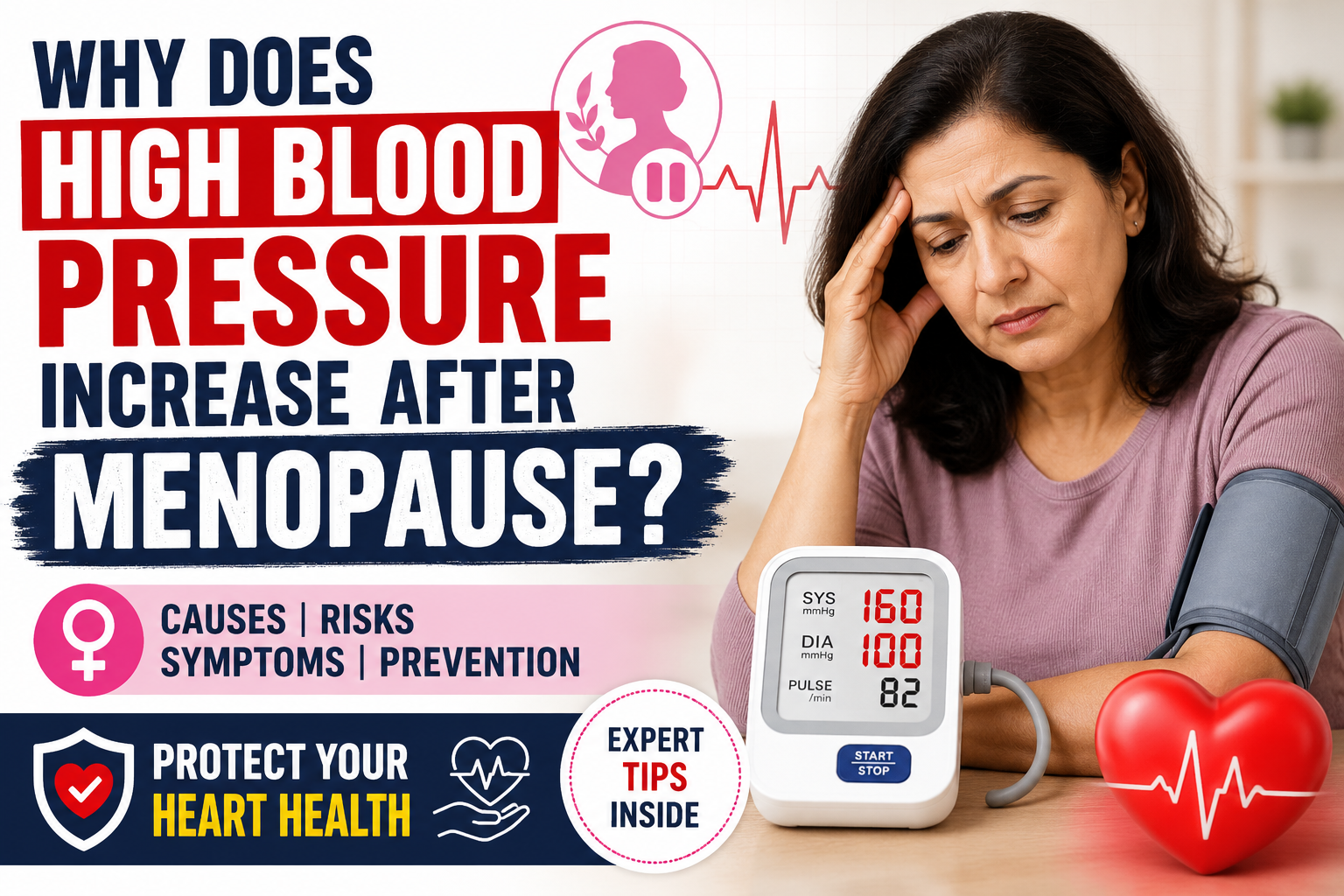
Many women become more vulnerable to high blood pressure after menopause, but the condition is often ignored in its early stages. Over time, unmanaged hypertension can lead to serious health complications, making awareness and timely care extremely important.
As women age, the body goes through several natural changes, and menopause is one of the most significant phases. Menopause marks the end of menstrual cycles and brings major hormonal changes that can affect overall health. While it is a natural biological process, it can also increase the risk of several medical conditions, including hypertension.
According to experts in obstetrics and gynecology, the chances of developing high blood pressure rise considerably after menopause. Understanding the reasons behind this change can help women take better care of their heart health and overall well-being.
At What Age Does the Risk Increase?
Health experts observe that women between the ages of 45 and 55 are more likely to experience rising blood pressure levels. This increase is closely linked to menopause and the hormonal shifts that occur during this stage of life.
One of the main reasons is the decline in estrogen levels. Estrogen plays an important role in protecting the heart and maintaining the flexibility of blood vessels. When estrogen levels decrease, blood vessels may become stiffer, making it harder for blood to flow smoothly. This can eventually increase blood pressure and put extra strain on the heart.
Lifestyle Changes Also Play a Major Role
Experts also point out that lifestyle factors contribute significantly to hypertension after menopause. During this phase, many women juggle household responsibilities, professional work, and family stress, often neglecting their own health.


Reduced physical activity, weight gain, and a slower metabolism become common concerns. Fat accumulation around the abdominal area is especially linked to higher risks of high blood pressure and heart disease.
Unhealthy eating habits, excessive salt intake, lack of exercise, and emotional stress can further worsen cardiovascular health during menopause.
The Connection Between Sleep, Stress, and Blood Pressure
Sleep-related issues are also very common after menopause. Many women experience insomnia, night sweats, interrupted sleep, and difficulty getting adequate rest. Poor sleep quality can increase stress hormone levels in the body, which may negatively affect blood pressure.
Mood swings, anxiety, and emotional stress can also contribute to hypertension. Long-term stress places extra pressure on the cardiovascular system and increases the likelihood of heart-related problems.
How Women Can Protect Their Heart Health After Menopause
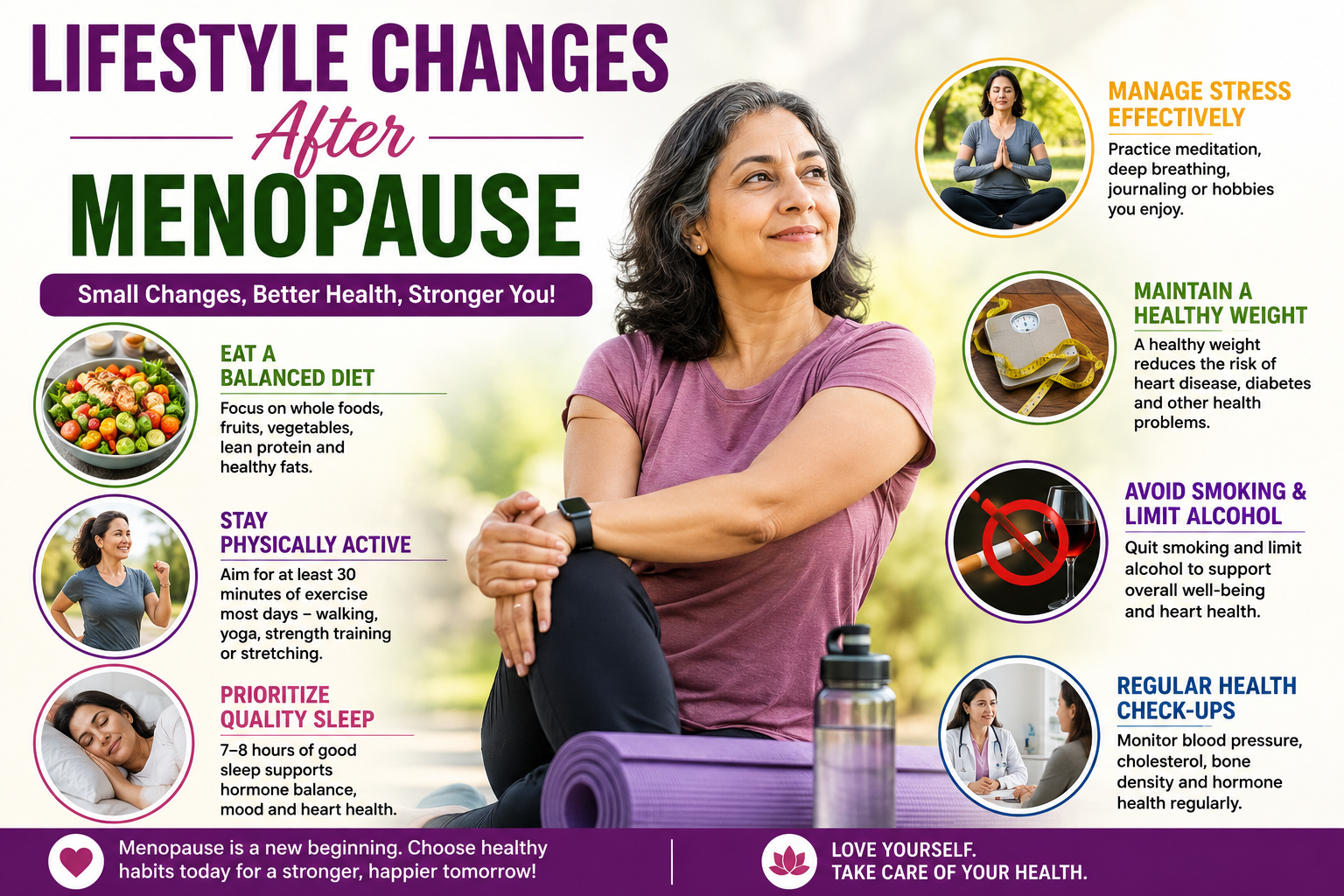
Experts recommend that women become more proactive about their health during and after menopause. Simple lifestyle changes can significantly reduce the risk of high blood pressure and heart disease.
Some important habits include:
- Monitoring blood pressure regularly
- Following a balanced and heart-healthy diet
- Reducing salt intake
- Staying physically active through walking or light exercise
- Getting enough sleep
- Managing stress effectively
Women with a family history of hypertension, diabetes, or heart disease should undergo regular health screenings and consult healthcare professionals when necessary.
Menopause Is a Natural Phase, Not a Disease
Menopause should not be viewed as a disease but as a natural transition in a woman’s life. However, awareness and proper self-care during this period are essential. With timely medical checkups, healthier habits, and lifestyle improvements, women can lower the risk of hypertension and other serious complications.
Experts emphasize that women should prioritize self-care rather than ignore their health concerns. Even small healthy lifestyle changes can play a major role in preventing future heart and blood pressure problems.
Disclaimer: This article is intended for informational purposes only and should not be considered a substitute for professional medical advice, diagnosis, or treatment. Always consult a qualified healthcare professional regarding any health condition or concerns related to high blood pressure or other medical issues.