



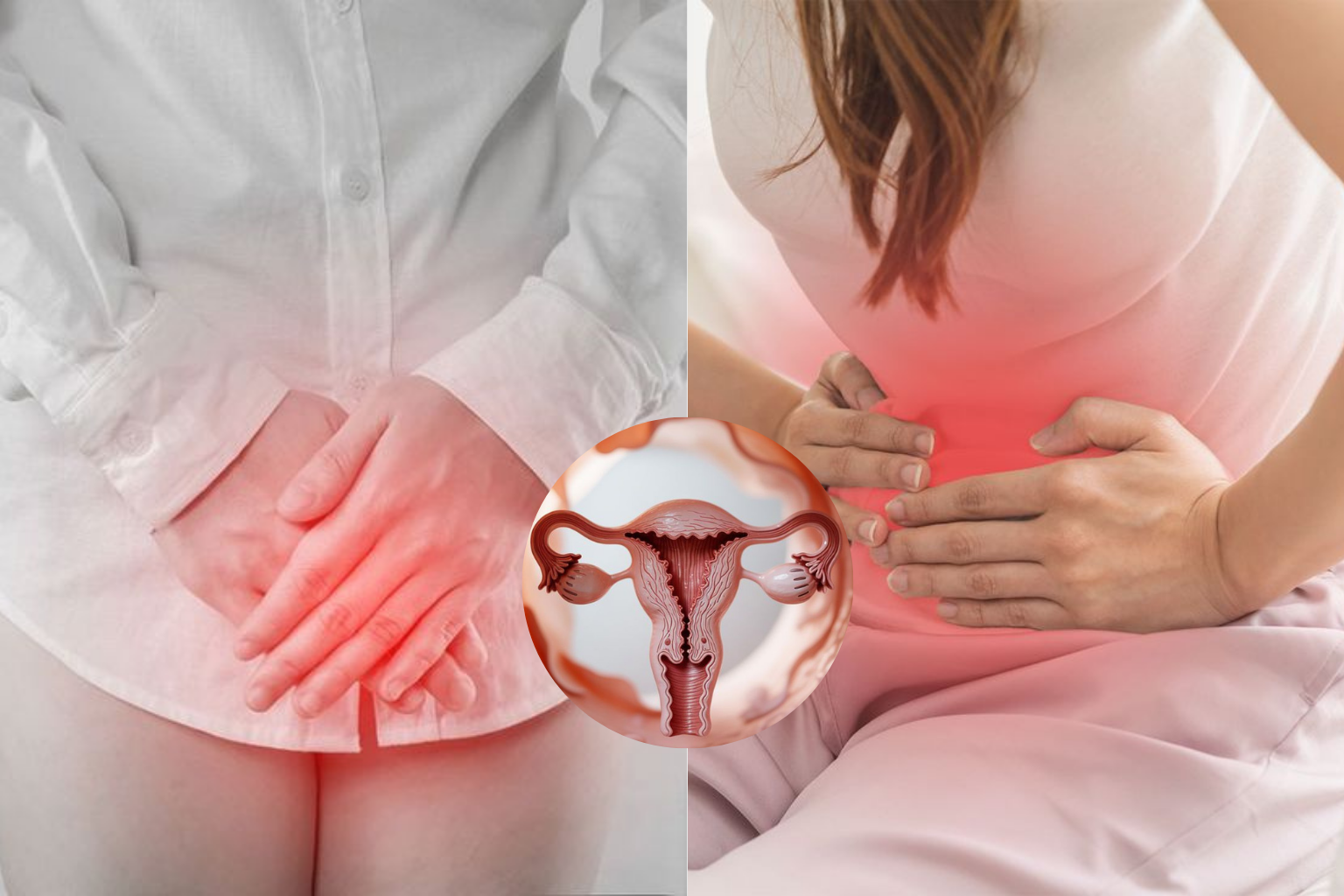
Burning, itching, irritation, and infections in the vaginal area are very common, especially during puberty and hormonal changes. Many girls and women experience discomfort but often hesitate to talk about it openly. Understanding the causes, prevention methods, and when to seek medical help can make managing this condition much easier.
- Highlights:
- Vaginal burning and itching are common problems, especially during adolescence.
- Poor hygiene, infections, tight clothing, and harsh products can trigger irritation.
- Mild cases can often be managed at home, but persistent symptoms need medical attention.
Common Symptoms of Vaginal Irritation:
Vaginal irritation can appear in several ways, including:
- Burning sensation in or around the vaginal area
- Itching and discomfort
- Sticky or unusual discharge
- Redness or swelling
- Pain while urinating
- Skin sensitivity or rashes
While mild itching and irritation are common, severe redness, swelling, or pain may indicate an infection.
Causes of Vaginal Burning and Irritation:
There are several possible reasons behind vaginal discomfort:
- Vaginal infections caused by bacteria, fungi, or yeast.
- Perfumes, creams, sprays, and ointments used around intimate areas can irritate sensitive skin.
- Harsh chemicals or soaps may trigger allergic reactions.
- Small pieces of toilet paper left behind can sometimes cause irritation.
- Leaving tampons in for too long during periods may lead to discomfort or infection.
- Applying powders near the vaginal area can cause burning and itching.
- Poor-quality sanitary pads may trigger allergies.
- Wearing damp or poorly dried underwear can encourage bacterial growth.
- Tight clothes such as jeans, leggings, or sportswear increase sweating and friction.
- Synthetic or lace underwear may irritate sensitive skin.
- Using unclean or rough cloth during menstruation can also lead to itching and burning.
- Home Remedies and Self-Care Tips
Simple lifestyle and hygiene changes can help reduce irritation:
- Wear soft cotton underwear.
- Choose loose and breathable clothing instead of tight-fitting outfits.
- Make sure clothes are properly washed and free from detergent residue.
- Avoid fabric softeners on undergarments.
- Use unscented and soft toilet paper.
- Avoid bubble baths, perfumed soaps, and heavily scented creams.
- Do not overuse vaginal washes, as they can disturb natural balance.
- Never hold urine for long periods.
- Use high-quality cotton sanitary pads or tampons.
- Change sweaty workout clothes immediately and shower afterward.
- Avoid scratching the area, even if itching becomes uncomfortable.
- If sexually active, avoid intercourse during irritation or infection.
- Clean the intimate area gently with cool water after intercourse.
- Use condoms to help reduce the risk of sexually transmitted infections.
When Should You See a Doctor?
Consult a doctor if home remedies do not improve symptoms or if discomfort becomes severe.
Seek medical advice immediately if you experience:
- Pain or burning while urinating
- Vaginal bleeding or abnormal discharge
- Fever or lower abdominal pain
- Sores, wounds, or blisters around the vaginal area
- Persistent redness, swelling, or rash
- Foul-smelling discharge
A doctor can identify whether an infection is present and recommend the right treatment.
Important Note : Vaginal irritation is a very common issue and is often manageable with proper hygiene and lifestyle habits. However, persistent itching, burning, pain, or unusual discharge should never be ignored. Timely medical advice can help prevent complications and provide faster relief.