



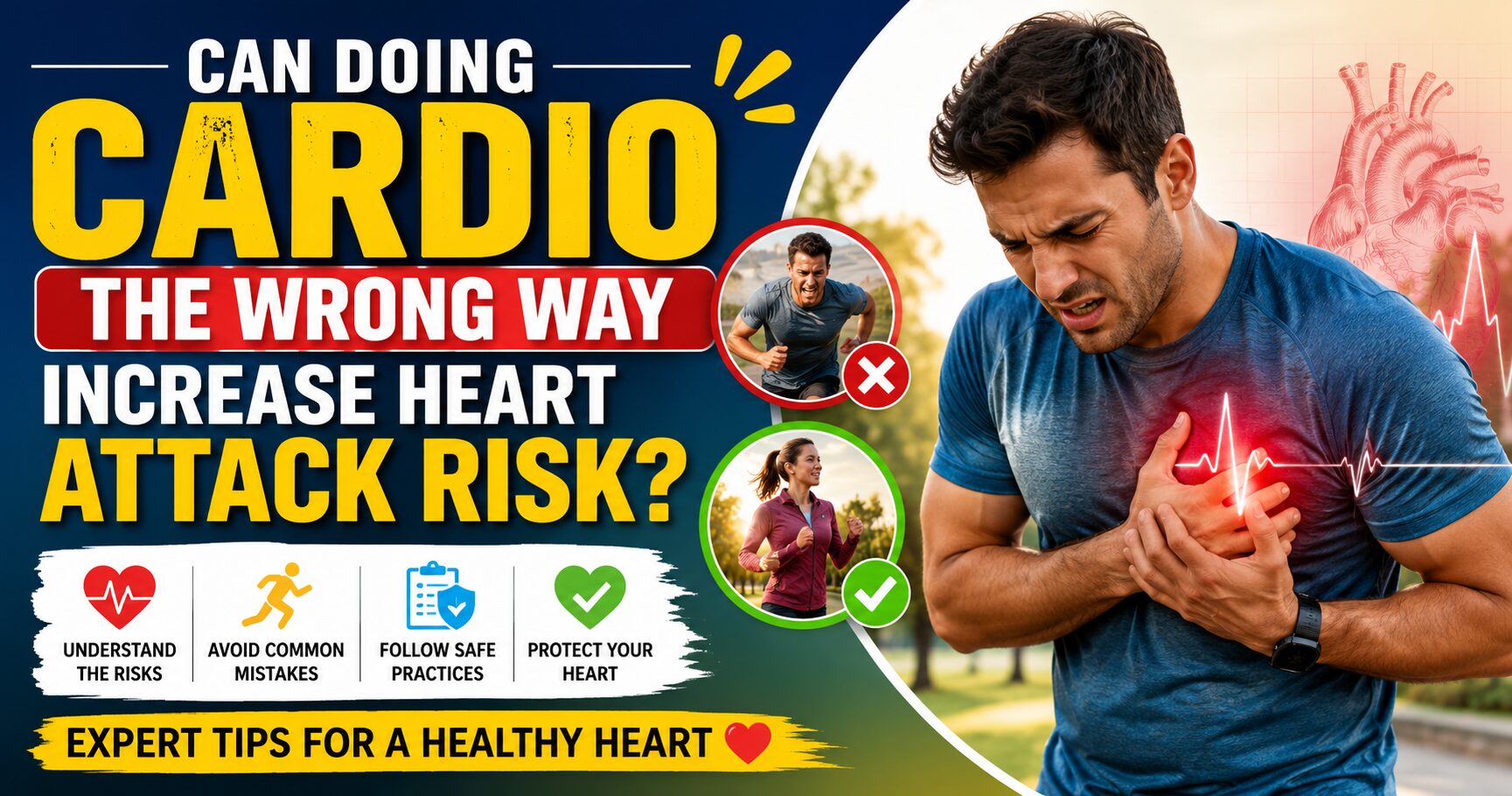
Cardiovascular exercise, commonly known as cardio, is widely recognized for its benefits to heart and lung health. Activities such as running, cycling, brisk walking, jogging, and treadmill workouts can improve endurance, strengthen the cardiovascular system, and support overall fitness. However, while cardio is generally beneficial, performing it incorrectly or excessively may place unnecessary stress on the body and, in some cases, increase the risk of serious health complications.
According to cardiology experts, many people adopt intense workout routines without understanding their body’s limitations. Following fitness trends on social media or engaging in high-intensity exercise without proper preparation can sometimes do more harm than good.
Why Can Incorrect Cardio Be Dangerous?
Cardio exercises are designed to improve the efficiency of the heart and lungs. However, problems can arise when individuals suddenly begin intense workouts, skip warm-up sessions, or push themselves beyond their physical capacity.
Such practices can cause a rapid increase in heart rate and blood pressure, placing extra strain on the cardiovascular system. This added stress may be particularly risky for people who already have underlying health conditions such as:
- High blood pressure
- Diabetes
- Obesity
- High cholesterol
- Existing heart disease
For these individuals, inappropriate exercise intensity may increase the likelihood of cardiac events, including heart attacks.
Common Cardio Mistakes to Avoid
Many people unknowingly make mistakes during cardio workouts that can affect their health and performance. Some of the most common errors include:
- Starting intense running or high-intensity workouts without warming up.
- Performing prolonged, strenuous cardio sessions without adequate rest.
- Ignoring symptoms such as chest discomfort, dizziness, excessive breathlessness, or unusual fatigue.
- Exercising on an empty stomach or while dehydrated.
- Choosing workouts that do not match their age, fitness level, or medical condition.
Individuals with pre-existing heart problems, high blood pressure, diabetes, or other chronic conditions should always seek medical advice before beginning a new cardio routine.
Read More : How to Get a Slim Waist Naturally With These 3 Easy ExercisesWarning Signs That Should Never Be Ignored
If you experience any of the following symptoms during or immediately after cardio exercise, stop exercising and seek medical attention:
- Chest pain or tightness
- Severe shortness of breath
- Dizziness or fainting
- Irregular heartbeat or palpitations
- Pain spreading to the jaw, shoulder, or arm
These symptoms may indicate an underlying heart-related issue and should not be dismissed as normal workout fatigue.
The Right Way to Perform Cardio Safely
To maximize the benefits of cardio while minimizing potential risks, follow these recommendations:
1.Start Slowly
Begin with light physical activity, such as walking, and gradually increase intensity as your fitness improves.
2. Build a Strong Foundation
If you’re new to exercise, focus on brisk walking before progressing to running or high-intensity workouts.
3. Warm Up and Cool Down
Always spend 5–10 minutes warming up before exercise and cooling down afterward to help your body adjust safely.
4. Follow Recommended Guidelines
Health experts generally recommend at least 150 minutes of moderate-intensity cardio exercise per week for most adults.
5. Get a Health Checkup When Needed
People over the age of 40 or those with heart disease, diabetes, high blood pressure, or other medical conditions should consult a healthcare professional before starting a new fitness program.
Read More : Which Exercise Helps Build 6-Pack Abs Faster? Know the Benefits and Correct Way to Do Sit-UpsFinal Thoughts
Cardio exercise remains one of the most effective ways to improve cardiovascular health, boost endurance, and support overall well-being. However, more exercise is not always better. The safest and most effective cardio routine is one that matches your age, fitness level, and health status. By exercising responsibly and listening to your body, you can enjoy the benefits of cardio while reducing unnecessary health risks.
Disclaimer
This article is intended for informational and educational purposes only. It should not be considered medical advice or used as a substitute for professional diagnosis, treatment, or healthcare recommendations. Always consult a qualified healthcare provider regarding any concerns about heart health, exercise routines, or medical conditions. JugalUpdates.com does not assume responsibility for decisions made based on the information provided in this article.