



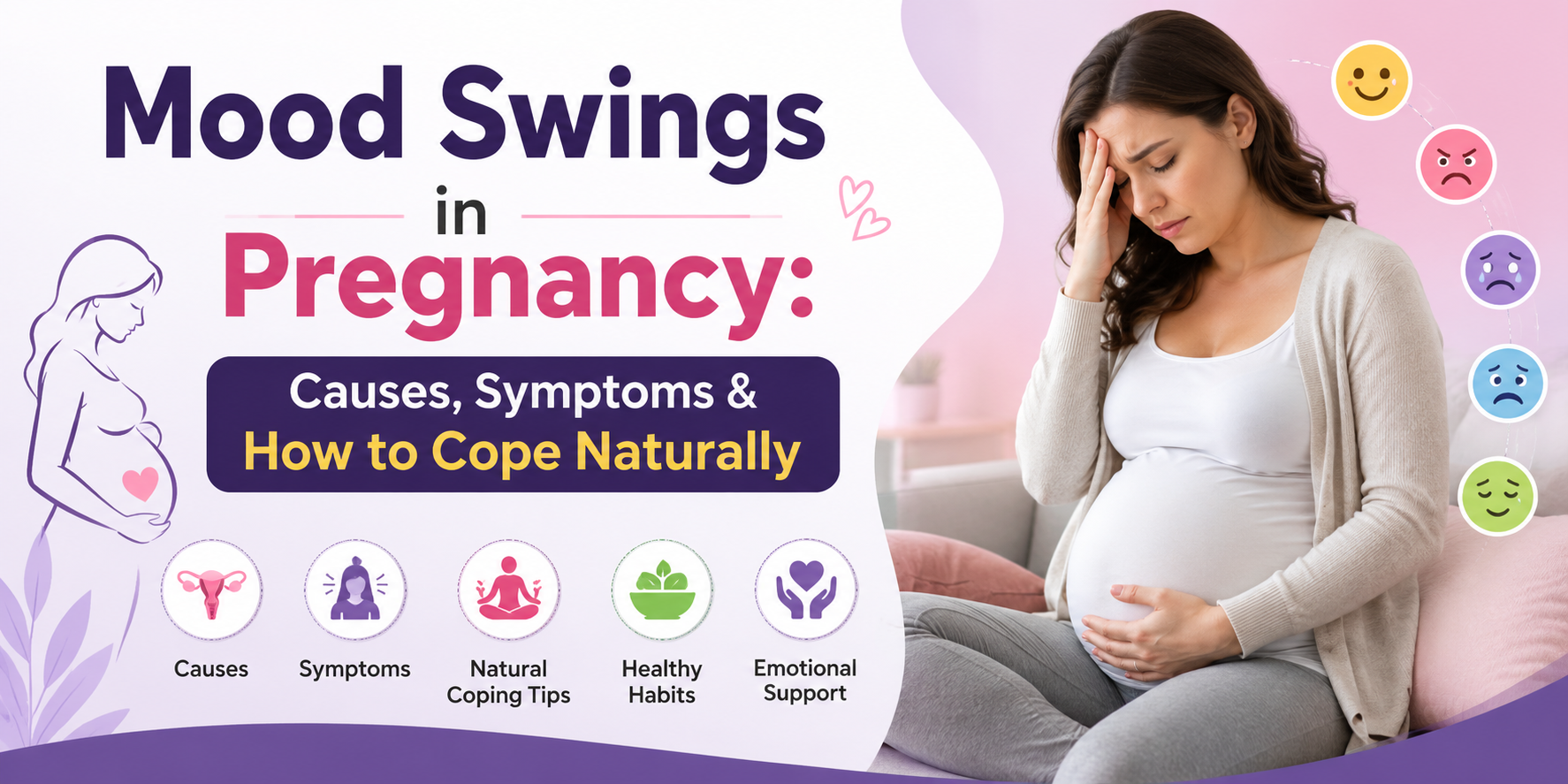
Pregnancy is an exciting and life-changing journey, but it can also bring unexpected emotional challenges. One of the most common experiences among pregnant women is mood swings during pregnancy. Sudden feelings of happiness, anxiety, irritability, or sadness can occur even without an obvious reason.
While these emotional changes can sometimes feel overwhelming, they are usually a normal part of pregnancy. Understanding why mood swings happen and learning healthy coping strategies can help expecting mothers navigate this period with greater confidence and comfort.
What Are Mood Swings in Pregnancy?
Mood swings are rapid and noticeable changes in emotions that occur over a short period. During pregnancy, a woman may feel joyful and energetic one moment and frustrated or emotional the next.
These emotional fluctuations are primarily influenced by hormonal changes, physical discomfort, lifestyle adjustments, and concerns about the future.
Read More : How Long Is It Safe to Sit in an Office Chair During Pregnancy?Why Do Mood Swings Happen During Pregnancy?
- Hormonal Changes
One of the biggest causes of mood swings during pregnancy is the dramatic increase in hormones such as:
- Estrogen
- Progesterone
- Human Chorionic Gonadotropin (hCG)
These hormones affect brain chemicals responsible for regulating mood, emotions, and stress responses.
- Physical Changes
As the body adapts to support the growing baby, women may experience:
- Fatigue
- Morning sickness
- Breast tenderness
- Back pain
- Sleep disturbances
Physical discomfort can directly impact emotional well-being.
- Stress and Anxiety
Many expecting mothers worry about:
- The baby’s health
- Labor and delivery
- Financial responsibilities
- Parenting challenges
These concerns can contribute to emotional ups and downs.
- Sleep Problems
Insufficient or poor-quality sleep is common during pregnancy and can significantly affect mood and emotional stability.
- Lifestyle Adjustments
Changes in daily routines, work responsibilities, relationships, and social life may also trigger emotional responses.
When Are Mood Swings Most Common During Pregnancy?
Mood swings can occur throughout pregnancy but are often more noticeable during:
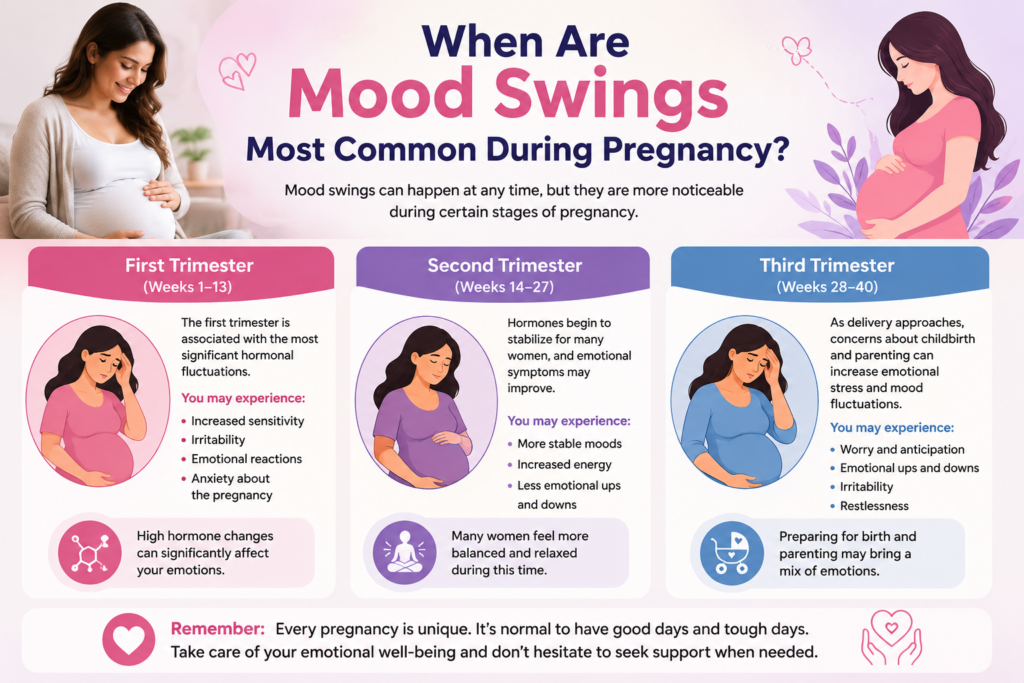
First Trimester (Weeks 1–13)
The first trimester is associated with the most significant hormonal fluctuations. Many women experience:
- Increased sensitivity
- Irritability
- Emotional reactions
- Anxiety about the pregnancy
- Second Trimester (Weeks 14–27)
Hormones begin to stabilize for many women, and emotional symptoms may improve. However, some women continue to experience mood changes.
Read More : Hair Fall Remedy: Apply This Fenugreek and Black Seed Hair Mask Before BathingThird Trimester (Weeks 28–40)
As delivery approaches, concerns about childbirth and parenting can increase emotional stress and mood fluctuations.
Common Symptoms of Pregnancy Mood Swings
Women experiencing mood swings during pregnancy may notice:
- Sudden crying spells
- Irritability
- Anxiety
- Increased sensitivity
- Feeling overwhelmed
- Restlessness
- Frustration
- Emotional highs and lows
- Difficulty concentrating
- Temporary sadness
These symptoms often come and go and vary from person to person.
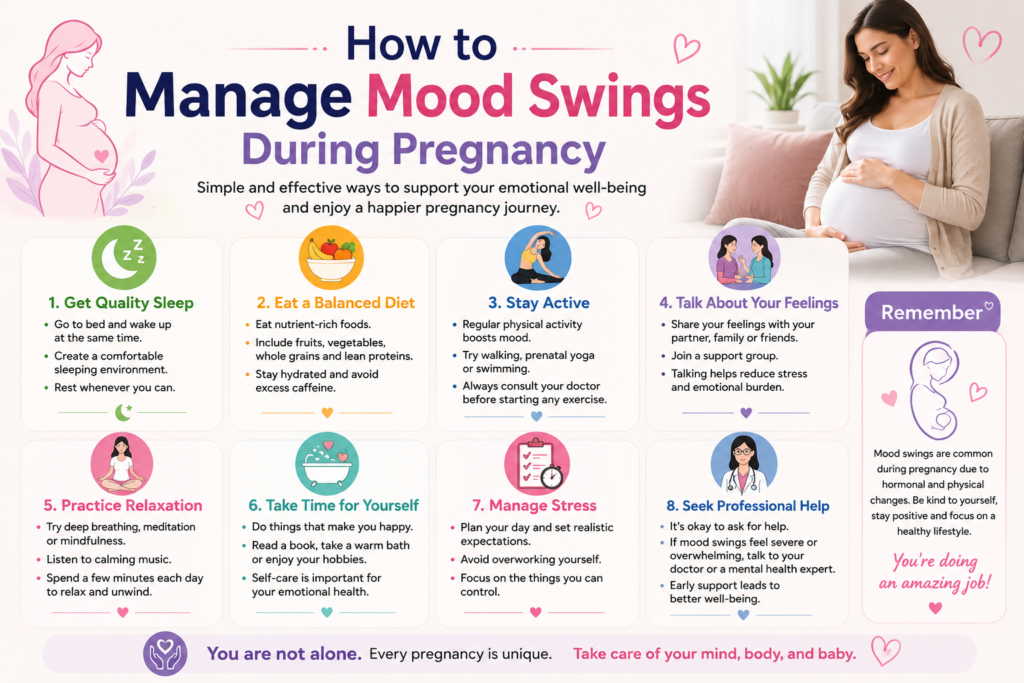
How to Manage Mood Swings During Pregnancy
Maintain a Healthy Sleep Routine
Adequate rest plays a crucial role in emotional balance.
Tips include:
- Going to bed at the same time each night
- Limiting screen time before sleep
- Using supportive pregnancy pillows
- Creating a comfortable sleeping environment
Eat a Balanced Diet
Proper nutrition supports both physical and emotional health.
Focus on:
- Fresh fruits
- Vegetables
- Whole grains
- Lean proteins
- Healthy fats
- Adequate hydration
Avoid excessive caffeine and highly processed foods whenever possible.
Read More : Which Hair Oil Is Best for Your Hair? Here’s What Research SaysStay Physically Active
Regular exercise may help improve mood by increasing the release of feel-good chemicals called endorphins.
Suitable pregnancy exercises may include:
- Walking
- Prenatal yoga
- Swimming
- Stretching exercises
Always consult a healthcare provider before starting any exercise program.
Talk About Your Feelings
Sharing emotions with:
- Your partner
- Family members
- Friends
- Support groups
can help reduce emotional stress and provide reassurance.
Practice Relaxation Techniques
Stress-management activities can improve emotional well-being.
Examples include:
- Deep breathing exercises
- Meditation
- Mindfulness practices
- Prenatal yoga
- Listening to calming music
Take Time for Yourself
Self-care is essential during pregnancy.
Consider:
- Reading a book
- Taking a warm bath
- Spending time outdoors
- Enjoying hobbies you love
When Should You Seek Medical Help?
Although mood swings are normal during pregnancy, professional help may be needed if symptoms become severe.
Contact a healthcare provider if you experience:
- Persistent sadness lasting more than two weeks
- Severe anxiety
- Panic attacks
- Loss of interest in daily activities
- Difficulty functioning normally
- Thoughts of self-harm
These symptoms may indicate prenatal depression or anxiety, which can be effectively managed with professional support.
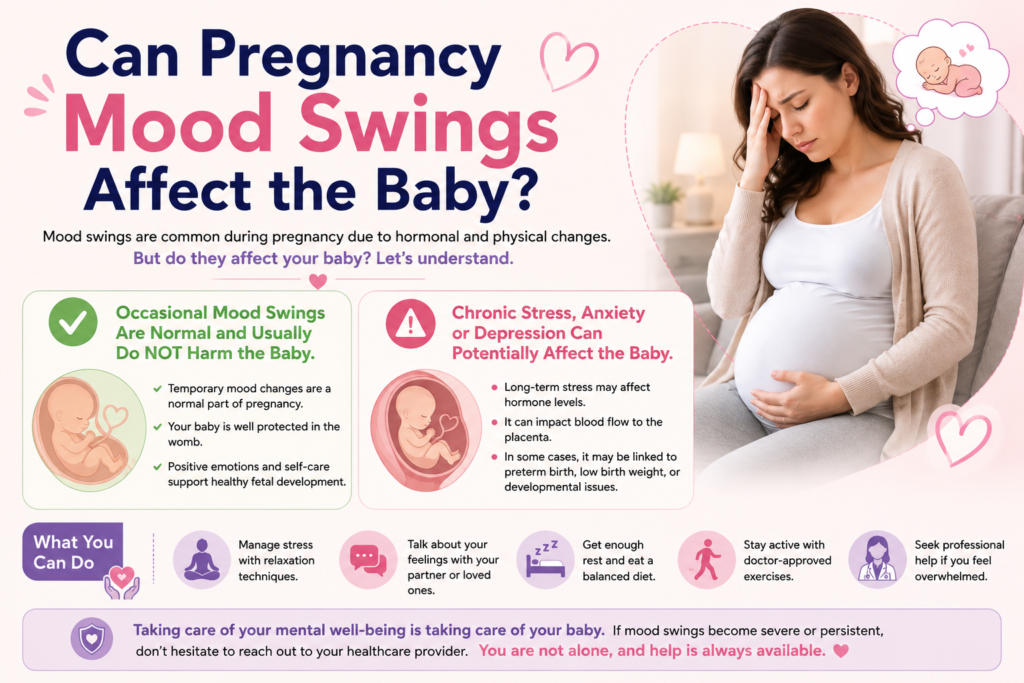
Can Pregnancy Mood Swings Affect the Baby?
Occasional mood swings are generally not harmful to the baby. However, chronic stress, untreated anxiety, or depression may affect maternal health and pregnancy outcomes.
Maintaining emotional well-being is beneficial for both mother and baby throughout pregnancy.
Tips for Partners and Family Members
Supporting a pregnant woman through emotional changes can make a significant difference.
Family members can:
- Listen without judgment
- Offer reassurance
- Help with daily tasks
- Encourage healthy habits
- Be patient during emotional moments
A strong support system often reduces stress and improves overall pregnancy experiences.
Frequently Asked Questions (FAQs)
Yes. For some women, mood swings can be one of the early signs of pregnancy due to hormonal changes.
Mood swings may occur throughout pregnancy but are often strongest during the first and third trimesters.
Yes. Increased emotional sensitivity and hormonal changes can make crying more common during pregnancy.
Yes. Regular, doctor-approved physical activity may improve mood and reduce stress.
Seek medical advice if emotional symptoms are severe, persistent, or interfere with daily life.
Conclusion
Mood swings in pregnancy are a common and natural response to hormonal changes, physical adjustments, and emotional challenges. While occasional emotional ups and downs are expected, healthy lifestyle habits, strong social support, and effective stress-management techniques can help women maintain emotional balance throughout pregnancy.
If mood changes become overwhelming or persistent, consulting a healthcare professional is important. Early support can improve both maternal well-being and pregnancy outcomes, helping mothers enjoy a healthier and more positive pregnancy journey.