



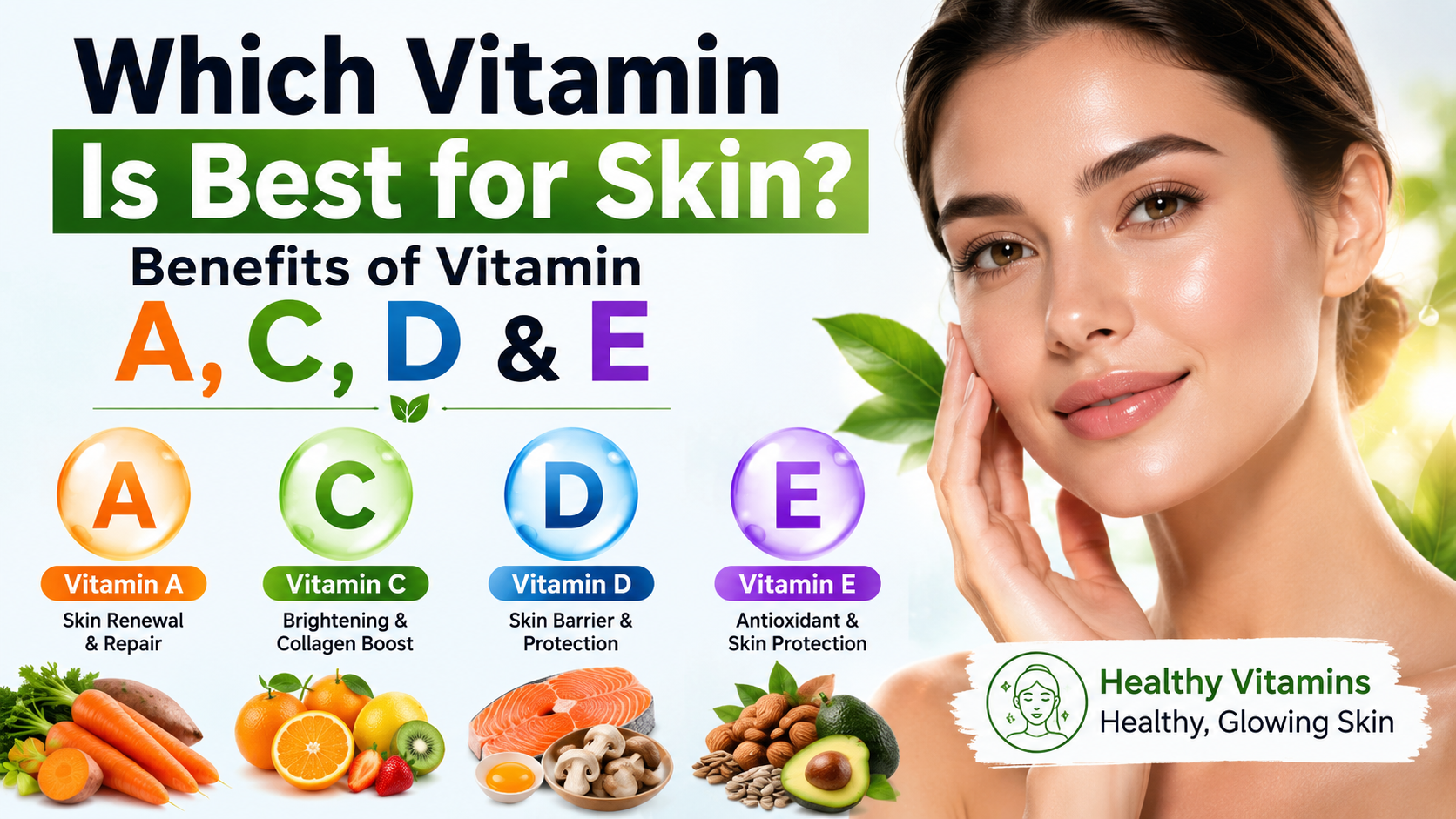
Healthy, radiant skin is not just about using expensive creams and serums. Nutrition plays a vital role in maintaining skin health, preventing premature aging, and supporting natural repair processes. Among the many nutrients required by the body, Vitamins A, C, D, and E are considered some of the most important for skin health.
Scientific studies published in the National Library of Medicine (NLM) have highlighted how these vitamins contribute to skin regeneration, collagen production, protection against environmental damage, and overall skin appearance.
In this article, we’ll explore the benefits of Vitamins A, C, D, and E and understand which vitamin performs which function for your skin.
Why Are Vitamins Important for Skin Health?
The skin is the body’s largest organ and acts as a protective barrier against pollution, UV rays, bacteria, and environmental stress. Vitamins help the skin by:
- Supporting cell growth and repair
- Maintaining hydration and elasticity
- Protecting against oxidative stress
- Promoting wound healing
- Reducing signs of aging
- Improving skin texture and tone
A deficiency in essential vitamins can lead to dry skin, premature wrinkles, slow healing, and various skin concerns.
Read More : Hair Fall Remedy: Apply This Fenugreek and Black Seed Hair Mask Before BathingVitamin A: The Skin Renewal Vitamin
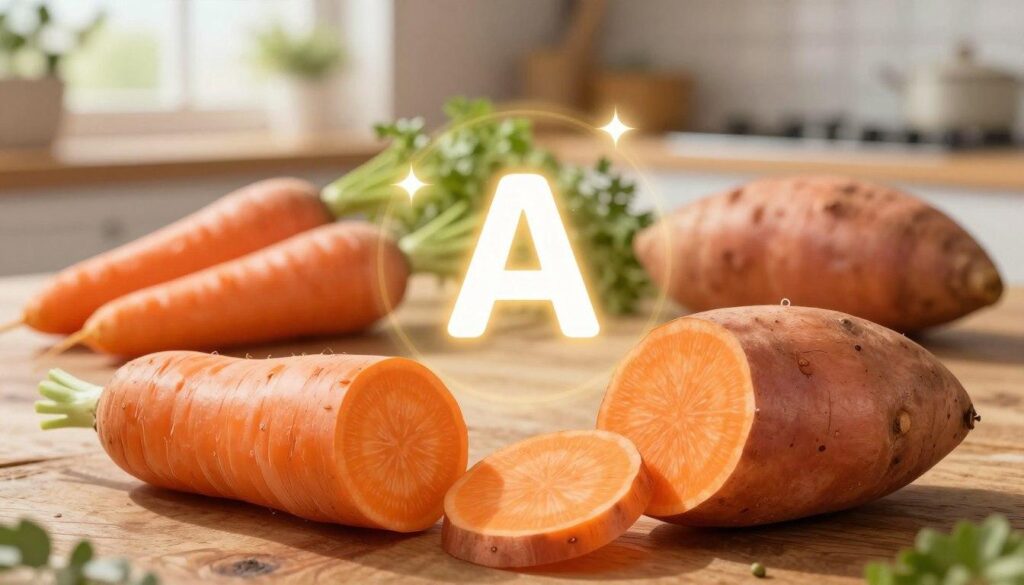
What Does Vitamin A Do?
Vitamin A is often called the skin repair and renewal vitamin. It helps regulate skin cell production and turnover, allowing old skin cells to be replaced by fresh, healthy ones.
Key Benefits of Vitamin A
✅ Supports skin cell regeneration
✅ Helps reduce acne and clogged pores
✅ Improves skin texture
✅ Minimizes the appearance of fine lines and wrinkles
✅ Promotes wound healing
- Best Food Sources
- Carrots
- Sweet potatoes
- Spinach
- Kale
- Eggs
- Liver
- Signs of Vitamin A Deficiency
- Dry and rough skin
- Slow wound healing
- Increased acne problems
- Flaky skin patches
Read More : Which Hair Oil Is Best for Your Hair? Here’s What Research Says
Vitamin C: The Collagen-Boosting Antioxidant
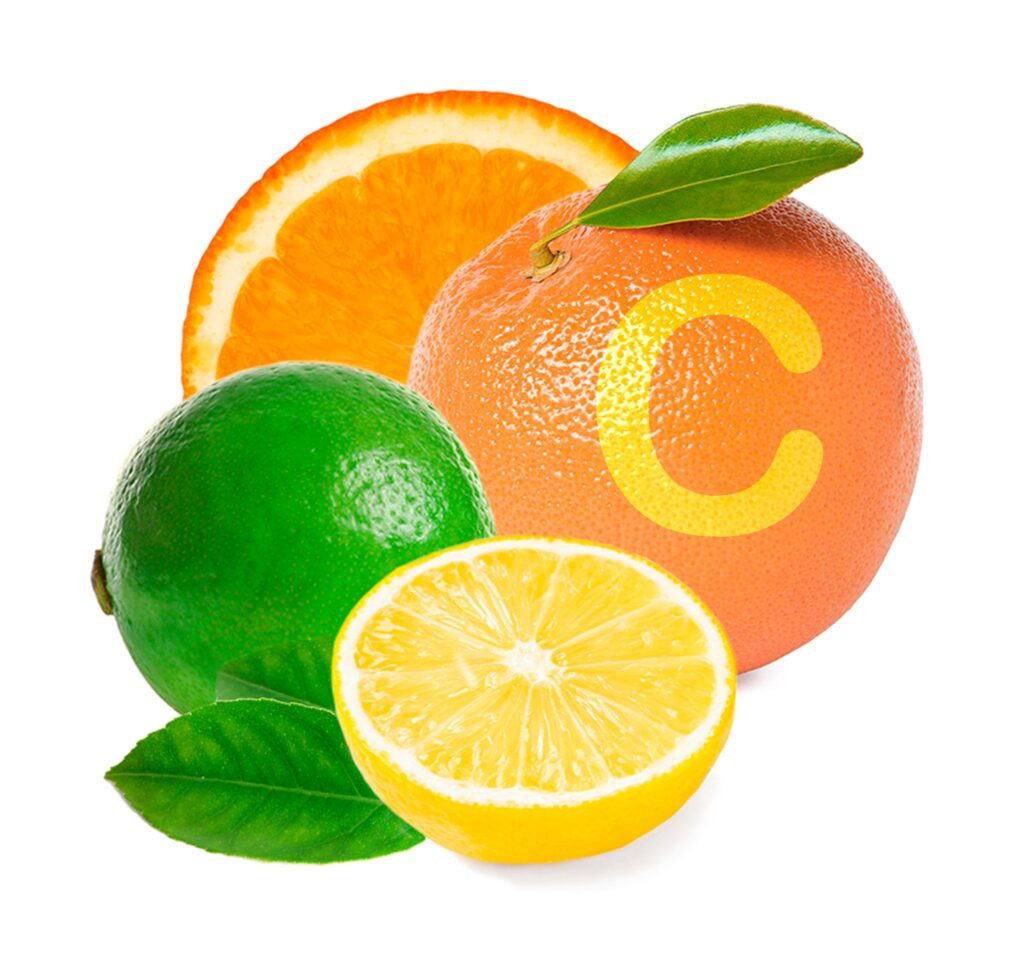
What Does Vitamin C Do?
Vitamin C is one of the most powerful antioxidants for the skin. It helps the body produce collagen, the protein responsible for skin firmness and elasticity.
Key Benefits of Vitamin C
✅ Boosts collagen production
✅ Brightens dull skin
✅ Reduces pigmentation and dark spots
✅ Protects against free radical damage
✅ Helps slow visible signs of aging
- Best Food Sources
- Oranges
- Lemons
- Kiwi
- Strawberries
- Bell peppers
- Broccoli
- Signs of Vitamin C Deficiency
- Dull complexion
- Slow wound healing
- Increased skin damage
- Reduced skin firmness
Vitamin D: The Skin Barrier Supporter
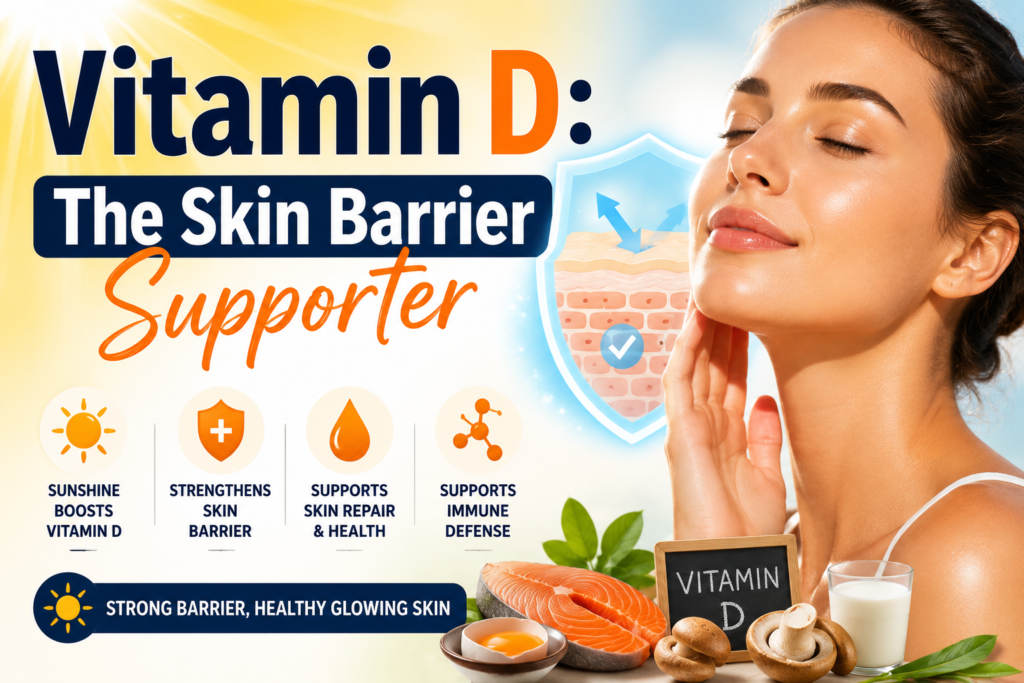
What Does Vitamin D Do?
Vitamin D is produced when sunlight interacts with the skin. It plays a crucial role in supporting the skin’s immune function and maintaining a healthy skin barrier.
Key Benefits of Vitamin D
✅ Supports skin repair processes
✅ Helps maintain a healthy skin barrier
✅ May help manage inflammatory skin conditions
✅ Supports overall immune health
- Best Sources
- Morning sunlight exposure
- Fatty fish
- Egg yolks
- Fortified milk
- Mushrooms
- Signs of Vitamin D Deficiency
- Dry skin
- Increased skin sensitivity
- Delayed healing
- Frequent skin irritation
Vitamin E: The Skin Protection Vitamin
What Does Vitamin E Do?
Vitamin E is a powerful antioxidant that protects skin cells from oxidative damage caused by pollution, UV exposure, and environmental stressors.
Key Benefits of Vitamin E
✅ Protects skin from free radicals
✅ Helps maintain moisture levels
✅ Supports skin healing
✅ Reduces dryness and roughness
✅ Works together with Vitamin C for enhanced protection
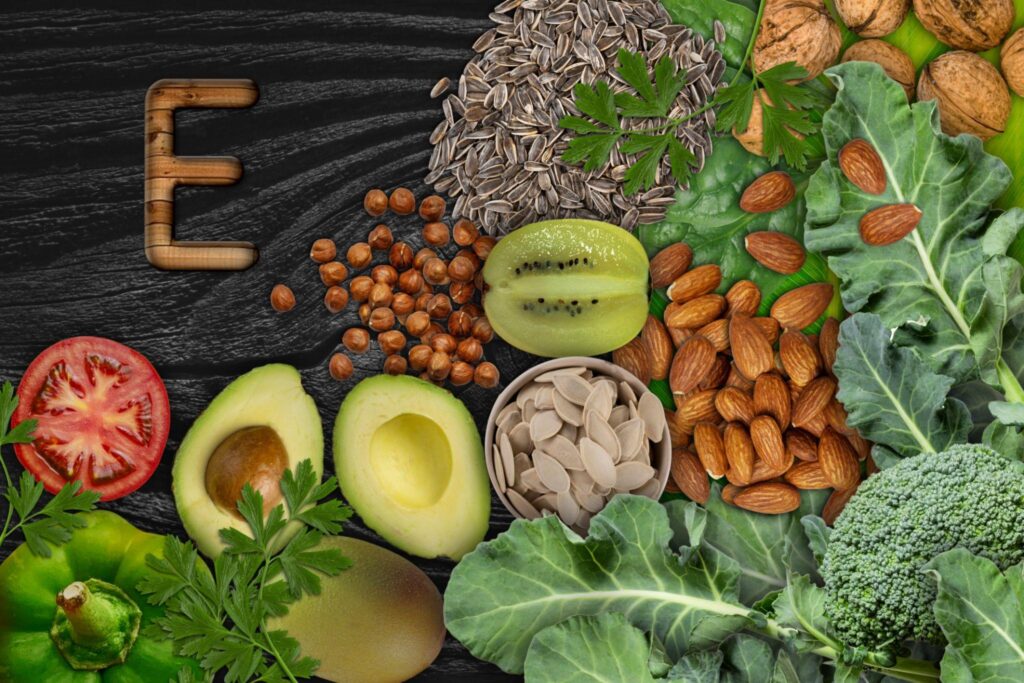
- Best Food Sources
- Almonds
- Sunflower seeds
- Avocados
- Spinach
- Peanuts
- Signs of Vitamin E Deficiency
- Dry skin
- Increased skin sensitivity
- Poor skin healing
- Rough skin texture
Comparison Table: Which Vitamin Does What?
| Vitamin | Main Function | Skin Benefit |
| Vitamin A | Cell Renewal | Acne control, smoother skin |
| Vitamin C | Collagen Production | Brightness, anti-aging |
| Vitamin D | Skin Barrier Support | Repair and protection |
| Vitamin E | Antioxidant Protection | Moisturization and healing |
Can You Get Better Skin by Taking Supplements?
Supplements may help if a vitamin deficiency is present, but experts generally recommend obtaining vitamins through a balanced diet whenever possible. Excessive supplementation can sometimes lead to unwanted side effects.
Before starting any supplement regimen, consult a qualified healthcare professional, especially if you have existing medical conditions or take medications.
- Natural Tips for Healthy Skin
- Drink plenty of water daily.
- Eat colorful fruits and vegetables.
- Protect your skin from excessive sun exposure.
- Get adequate sleep.
- Avoid smoking and excessive alcohol consumption.
- Use sunscreen regularly.
- Manage stress effectively.
- Conclusion
Vitamins A, C, D, and E each play a unique role in maintaining healthy, youthful-looking skin. Vitamin A supports skin renewal, Vitamin C boosts collagen and brightness, Vitamin D strengthens the skin barrier, and Vitamin E protects against environmental damage.
Including vitamin-rich foods in your daily diet can help improve skin health naturally and support long-term skin wellness. A balanced diet, healthy lifestyle, and proper skincare routine together create the foundation for glowing, resilient skin.